Ras Al Khaimah is drawing growing international investor interest as one of the UAE's most competitively priced and actively developing real estate markets.
At Samaland, we take an advisory-led, strategy-first approach, matching clients to Ras Al Khaimah property investment opportunities that fit their goals, not our sales targets.
We help investors move through the market with clarity, confidence, and access to a curated pipeline of opportunities.
A curated snapshot of Ras Al Khaimah property investment-grade properties across the emirate. Request the full shortlist based on your brief.
A high-level snapshot of the macro factors investors typically price into long-term Ras Al Khaimah property investment decisions.
Ras Al Khaimah real estate investment is gaining momentum as one of the UAE's fastest-expanding markets — with strong GDP growth and rising population inflow creating a compelling entry point ahead of further maturity.
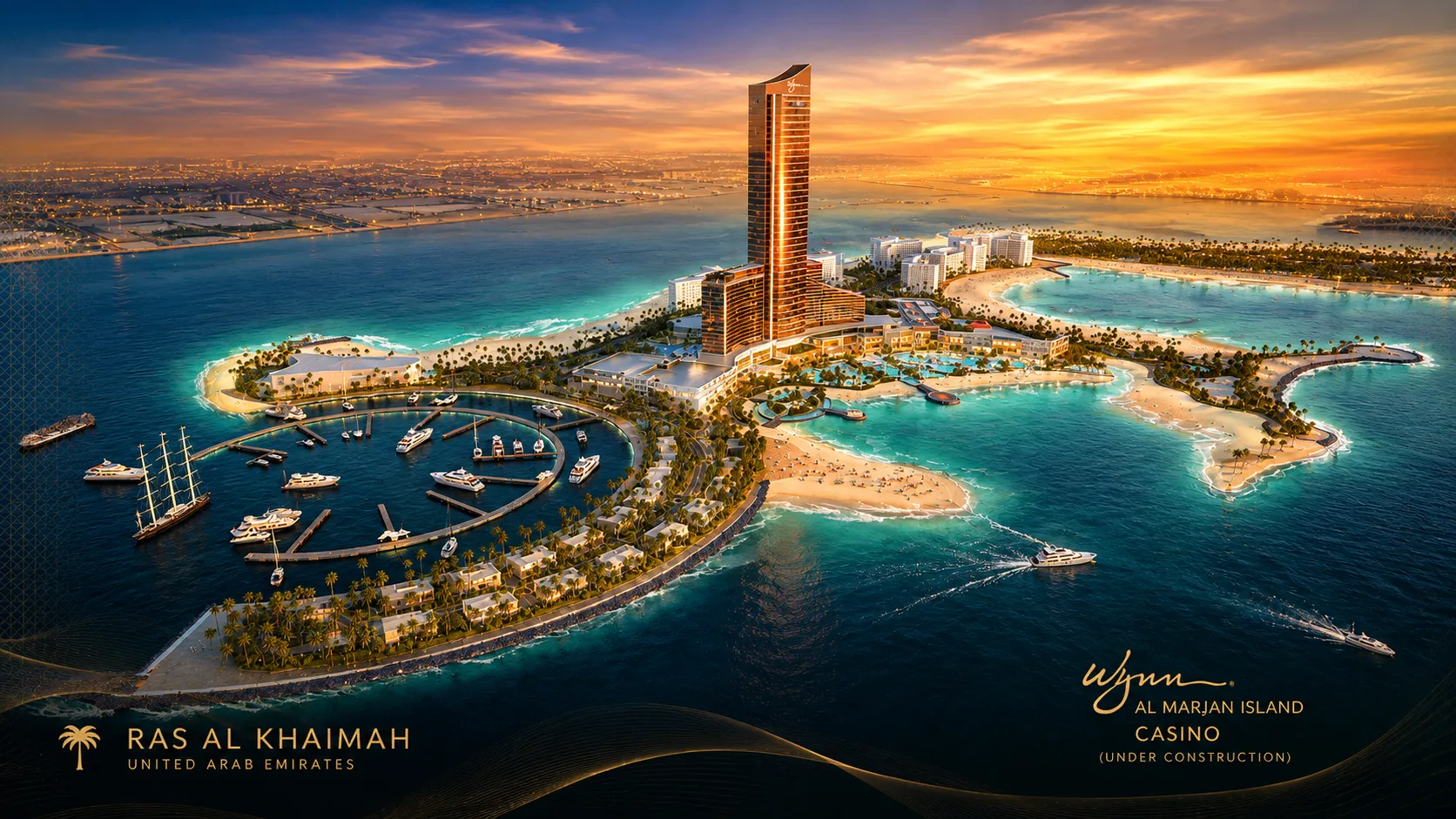
The emirate's expanding luxury tourism sector, anchored by Wynn Al Marjan Island and a growing resort corridor, is generating sustained demand for short-term rental and hospitality-linked residential assets.
International investors pursuing investment in Ras Al Khaimah property can acquire freehold ownership in designated zones, with ownership rights registered through the RAK Land Department under a transparent legal framework.
Compared to Dubai and Abu Dhabi, Ras Al Khaimah offers lower entry price points with comparable rental yield potential — a combination that continues to attract yield-focused and capital-growth investors alike.
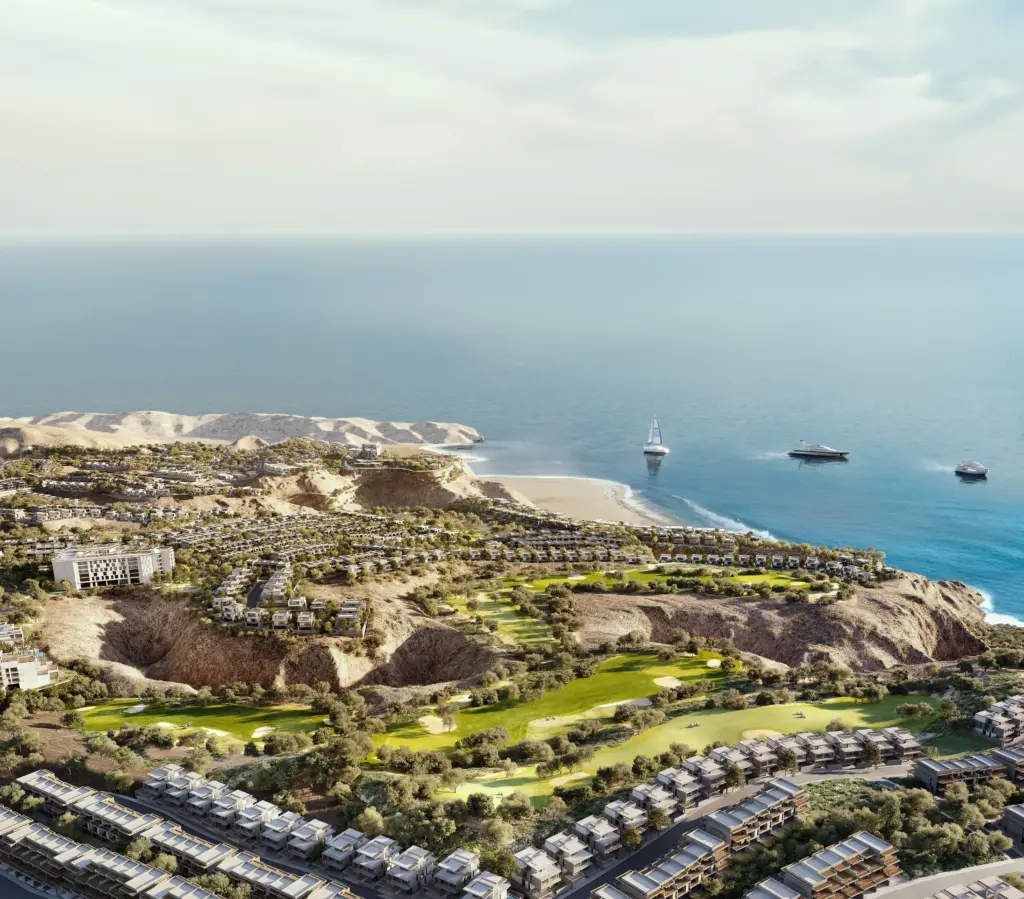
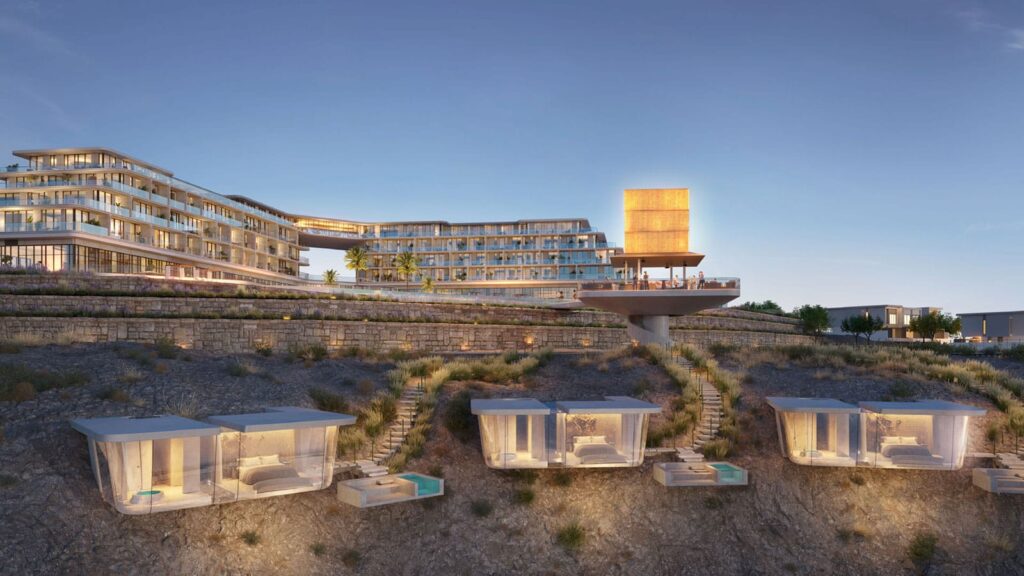
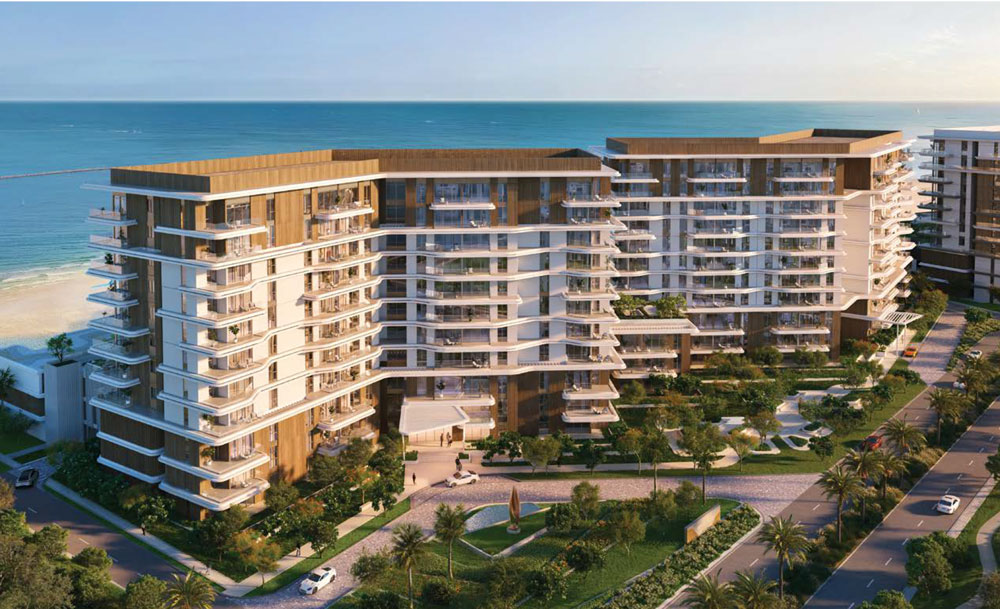
Large-scale masterplanned communities and waterfront projects are reshaping the emirate's residential landscape, concentrating infrastructure investment into well-defined, investable corridors.
The RAK Department of Municipalities and Transport and RERA oversight provide a regulated transactional environment, giving cross-border investors a degree of process predictability often cited as a primary entry condition.
Ras Al Khaimah's combination of coastline, mountain backdrop, and limited buildable land creates genuine supply constraints in premium locations — a structural support for long-term capital values.
Title, zoning, and infrastructure checks are handled through established RAK Land Department procedures — meeting the standards serious Ras Al Khaimah property investment buyers require.
From initial brief to acquisition, every step of your Ras Al Khaimah real estate investment journey is guided by a structured, advisory-led process.
Your objectives, holding period, and risk appetite are defined upfront — shaping the criteria used to identify genuinely suitable Ras Al Khaimah opportunities from the outset.
A focused selection of Ras Al Khaimah property investment opportunities is assembled around your brief — prioritising quality of fit over volume, with each option accompanied by clear context and suggested next steps.
We help coordinate title checks via the RAK Land Department, zoning verification through the Department of Municipalities and Transport, and documentation review — reducing exposure to avoidable risk before any commitment is made.
Negotiation inputs and the administrative steps required under UAE property transfer procedures are coordinated with your Ras Al Khaimah real estate investment interests as the reference point throughout.
Once transfer is complete and registered with the RAK Land Department, we assist with handover logistics and help structure your next steps — whether that involves leasing, long-term holding, or resale planning.
A pre-screening framework designed to identify investment-grade property in Ras Al Khaimah — before committing time to viewings or documentation.
Information only; all conclusions should be verified through official RAK Land Department procedures and qualified legal professionals.
For a comprehensive end-to-end guide covering ownership eligibility, transaction costs, timelines, and due diligence requirements for investment in Ras Al Khaimah property, refer to the full Ras Al Khaimah property investment checklist.
Freehold zones with established infrastructure — Al Marjan Island, Al Hamra Village, and Mina Al Arab — represent the most liquid and demand-supported entry points for Ras Al Khaimah property investment.
Favour locations with direct access to the emirate’s expanding road network, proximity to RAK City’s commercial core, and visibility within masterplanned communities where developer-led upgrades sustain long-term desirability.
Steer clear of areas outside designated freehold zones where foreign ownership rights are restricted under Real Estate Law No. 7 of 2006, or where infrastructure delivery timelines remain undefined.
Ownership status must be confirmed through the RAK Land Department’s Real Estate Register, established under Law No. 11 of 2021, which constitutes conclusive evidence of property rights across the emirate. The title deed (sakt al milkiyya), issued by the RAK Land Department, should be examined for registered encumbrances, boundary accuracy, and ownership chain integrity.
Zoning classification and permitted land use are administered by the RAK Department of Municipalities and Transport — verify intended use against the applicable zone before proceeding. Confirm utility connections and access rights are in place, and cross-reference parcel boundaries against the official cadastral record held by the RAK Land Department.
Investment in Ras Al Khaimah property falls under RAK RERA oversight — developer registration, project escrow accounts, and brokerage authorisation are all subject to RERA compliance requirements across all transactions.
Off-plan purchases carry additional procedural weight: confirm the developer holds a valid RERA registration, that project funds are held in a regulated escrow account, and that a No Objection Certificate (NOC) is obtained from the developer prior to any resale or transfer.
Waterfront and coastal assets — particularly on Al Marjan Island — may be subject to specific development and usage conditions tied to the masterplan; confirm compliance with the relevant authority before committing.
For any Ras Al Khaimah real estate investment, sellers who can present a clear title deed, up-to-date service charge records, and a valid NOC from the developer are the benchmark. Where documentation is fragmented, explanations around outstanding charges are inconsistent, or the seller is unable to confirm RERA registration status, treat these as material risk signals requiring resolution before progressing.
Sellers who can present a clear title deed, up-to-date service charge records, and a valid NOC from the developer are the benchmark. Where documentation is fragmented, explanations around outstanding charges are inconsistent, or the seller is unable to confirm RERA registration status, treat these as material risk signals requiring resolution before progressing.
For Ras Al Khaimah property investment with mortgage financing, down payment requirements for foreign buyers typically range from 20% to 25% of the purchase price, with LTV ratios of 75–80% available for residents and 50–75% for non-residents depending on the lender and property type. The UAE Central Bank’s mortgage regulations set a maximum debt burden ratio of 50% of net monthly income for UAE residents — lenders commonly apply a more conservative threshold of 35–40% for non-resident applicants.
A bank-commissioned property valuation is required prior to mortgage approval, and as of February 2025, UAE Central Bank regulations require all Land Department registration fees and broker commissions to be settled upfront and cannot be rolled into the mortgage amount. A mortgage registration fee of 0.25% of the loan value applies, payable to the RAK Land Department at the point of registration.
Key points investors and advisors typically clarify before requesting a shortlist.
The process for investment in Ras Al Khaimah property generally runs as follows: terms are agreed → a Sale and Purchase Agreement (SPA) is prepared → a deposit is paid to secure the property → the buyer submits required documents → the remaining balance is settled → ownership is registered with the RAK Land Department and the title deed is issued to the buyer. For a step-by-step breakdown with verification checkpoints, see our full Ras Al Khaimah property buying guide.
Working alongside investors and their advisors, Samaland takes an advisory-led approach — shaping the brief, assembling a curated shortlist, and supporting the practical steps involved throughout the acquisition.
In any Ras Al Khaimah property investment, title verification comes first — confirm ownership and check for any encumbrances through the RAK Land Department’s Real Estate Register, established under Law No. 11 of 2021 as the authoritative record of property rights in the emirate.
Expect to encounter a title deed issued by the RAK Land Department as the primary proof of ownership, and a Sale and Purchase Agreement (SPA) setting out the agreed price, payment schedule, and obligations of both parties. For off-plan purchases, an Oqood pre-registration certificate issued by RAK RERA serves as the interim ownership record.
At every stage of your Ras Al Khaimah real estate investment, criteria are sharpened, a focused shortlist is assembled, and practical checks and documentation steps are coordinated — so every stage moves forward with less friction and fewer unexpected delays.
Beyond the purchase price and any mortgage, Ras Al Khaimah property investment budgeting should account for the RAK Land Department transfer fee (2–4% of property value), agent fees (2–5%), mortgage registration fee (0.25% of loan value if applicable), property insurance, and ongoing service charges within the development.
Tell us what you’re looking for and we’ll come back with a targeted selection built around your budget, objectives, and timeframe — alongside hands-on administrative coordination through every stage of the Ras Al Khaimah property investment process.
No visa/immigration claims. We focus on property selection and administrative support.