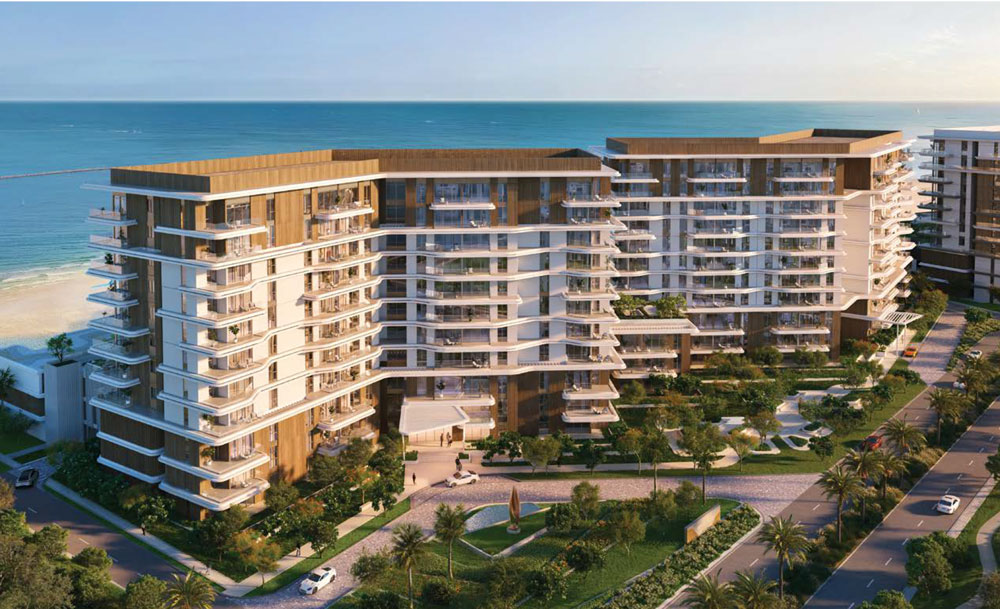
Samaland provides an advisory-led approach for investors and their advisors, helping them evaluate and access property investment opportunities in Oman with clarity and confidence. We support the journey from opportunity selection and strategy to admin
A curated snapshot of investment-grade properties. Request the full shortlist based on your brief.
A high-level snapshot of the macro factors investors typically price into long-term oman property investment decisions.
Oman’s strategic location connecting East and West markets supports long-horizon investment theses tied to trade, business activity, and resilient
Oman’s advanced logistics network supports efficient trade flows, strengthening business activity and demand in premium residential areas.
Oman’s special economic zones, free zones, industrial areas, and tech parks cluster infrastructure and business activity into investable corridors for oman property investment.
Beyond capital logic, Oman is framed as a great place to live and work, supporting lifestyle-driven purchases that can help stabilize long-term demand in prime areas.
Official messaging emphasizes government policies that encourage investment, a core requirement for investors who prioritize predictable direction over short-term noise.
Oman cites modern procedures that improve the business environment, helping investors move faster with clearer processes and fewer delays.
Strong infrastructure “reliable roads, utilities, and connectivity” is a core investment-grade checklist for Oman property investors.
Institutional-style buyers tend to treat title, zoning, and infrastructure access as non-negotiables, especially in cross-border transactions.
A clear, advisory-led process for Oman real estate investment, from first brief to acquisition support.
We align on your goals, timeline, and risk profile to define what “investment-grade” means for you.
You receive a focused, investment-grade shortlist matched to your criteria_quality over quantity, with clear next steps to move forward.
We help coordinate practical checks and documentation review points to reduce avoidable risk in Oman real estate investment.
We support negotiations and guide the administrative steps needed to move the transaction forward.
From handover coordination to next-step planning (leasing or long-term holding), we help keep execution smooth.
A concise framework used to screen investment-grade property in Oman – before you spend time on viewings and paperwork.
Information-only; final checks should be confirmed through official processes and qualified professionals.
For a practical, end-to-end framework (ownership rules, costs, timeline, and due diligence checkpoints), use the full checklist-based investment guide.
Key points investors and advisors typically clarify for property investment in Oman before requesting a shortlist.
A common flow is: agree key terms → a sales contract is prepared → a deposit is paid to secure the property → buyer provides required documents → remaining balance is settled → ownership is registered and the buyer is recorded as the owner.
For a more detailed breakdown with verification checkpoints, see our step-by-step Oman property buying process.
Samaland supports investors and their advisors with an advisory-led process: clarifying the brief, curating a shortlist, and helping coordinate practical steps through the acquisition journey.
Start with title validation-verify titles through the Real Estate Registration Directorate to confirm there are no disputes or encumbrances.
You may encounter an Iqama (Affidavit of Ownership) used as proof of ownership in real estate transactions, and an Aqd Al Baye (Contract of Sale) that formalizes the sale terms (price, payment terms, obligations)
We help structure the process: clarifying investment criteria, curating a focused shortlist, and coordinating practical checks and documentation steps so you can move with more clarity and fewer avoidable delays.
Beyond the price and mortgage, budgeting should consider additional costs such as property taxes, insurance, maintenance, and legal fees.

Share your brief and we’ll respond with a focused selection aligned to your budget, purpose, and timeline—plus administrative coordination through the oman property investment process.
No visa/immigration claims. We focus on property selection and administrative support.